I’ve never been to a place that I disliked, but some haven’t quite clicked with me on first arrival. But when I went to Budapest I fell immediately in love with the city, even arriving after dark. There was just something about it that appealed to me, for a myriad of reasons (I’ll be writing about all of those reasons in a future post!). But my absolutely favorite part of my one of my favorite cities was Fisherman’s Bastion.
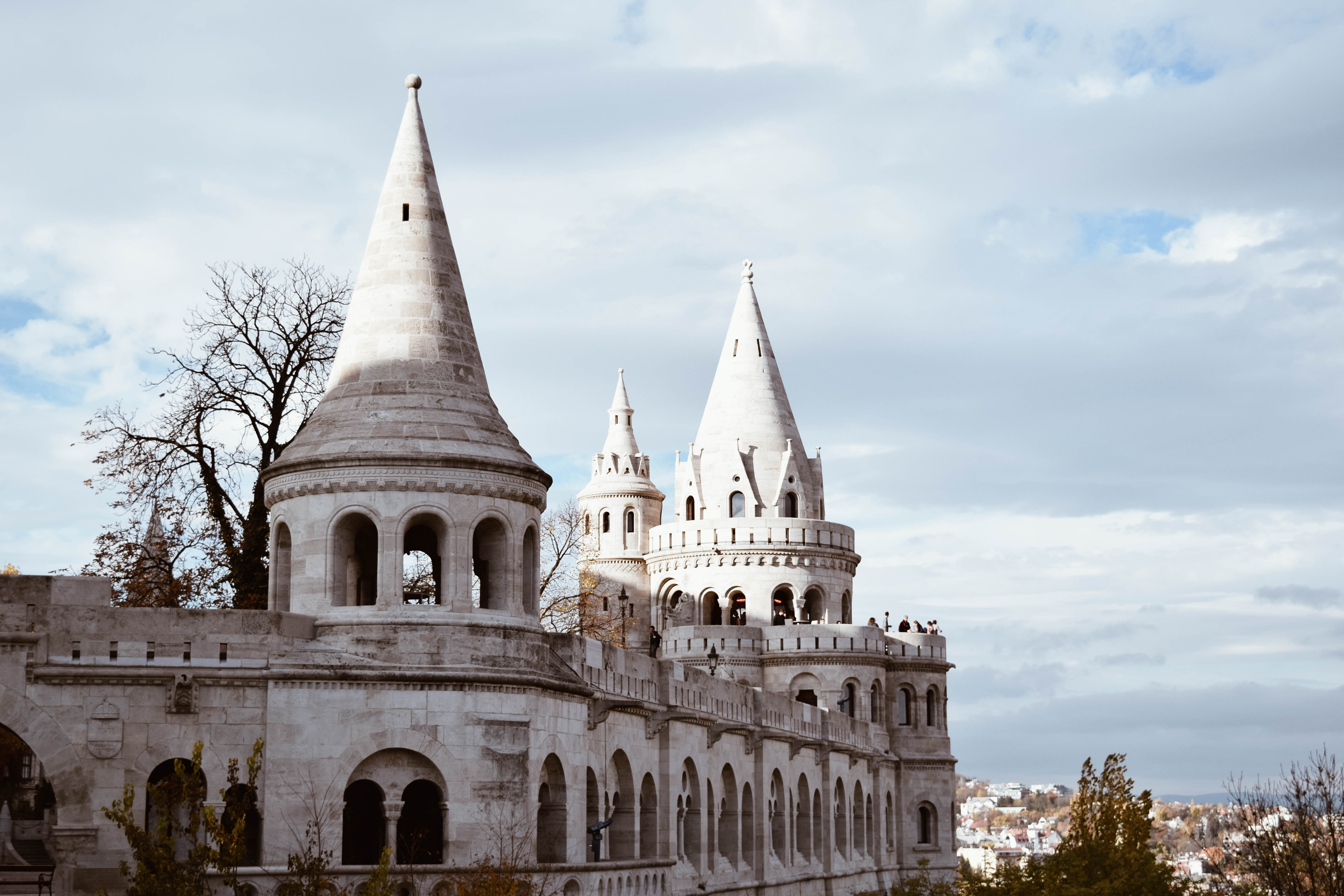
There have been a few moments in my travels when I just feel absolutely overwhelmed – but in the best possible way. Where I’m in a place and I am completely awed by what I’m seeing. Usually this happens when I see famous architecture or historical monuments that I’ve been looking at and studying all my life and then suddenly I’m there in real life and it’s extraordinary. Like the Parthenon, the Tower of London, the Grand Canyon, or the Eiffel Tower.
But it happens in small ways in smaller places, too. Sitting at a fountain in the middle of the Strøget in Copenhagen. Walking through Plaça Felip Neri in Barcelona. And being at Fisherman’s Bastion in Budapest.
HISTORY
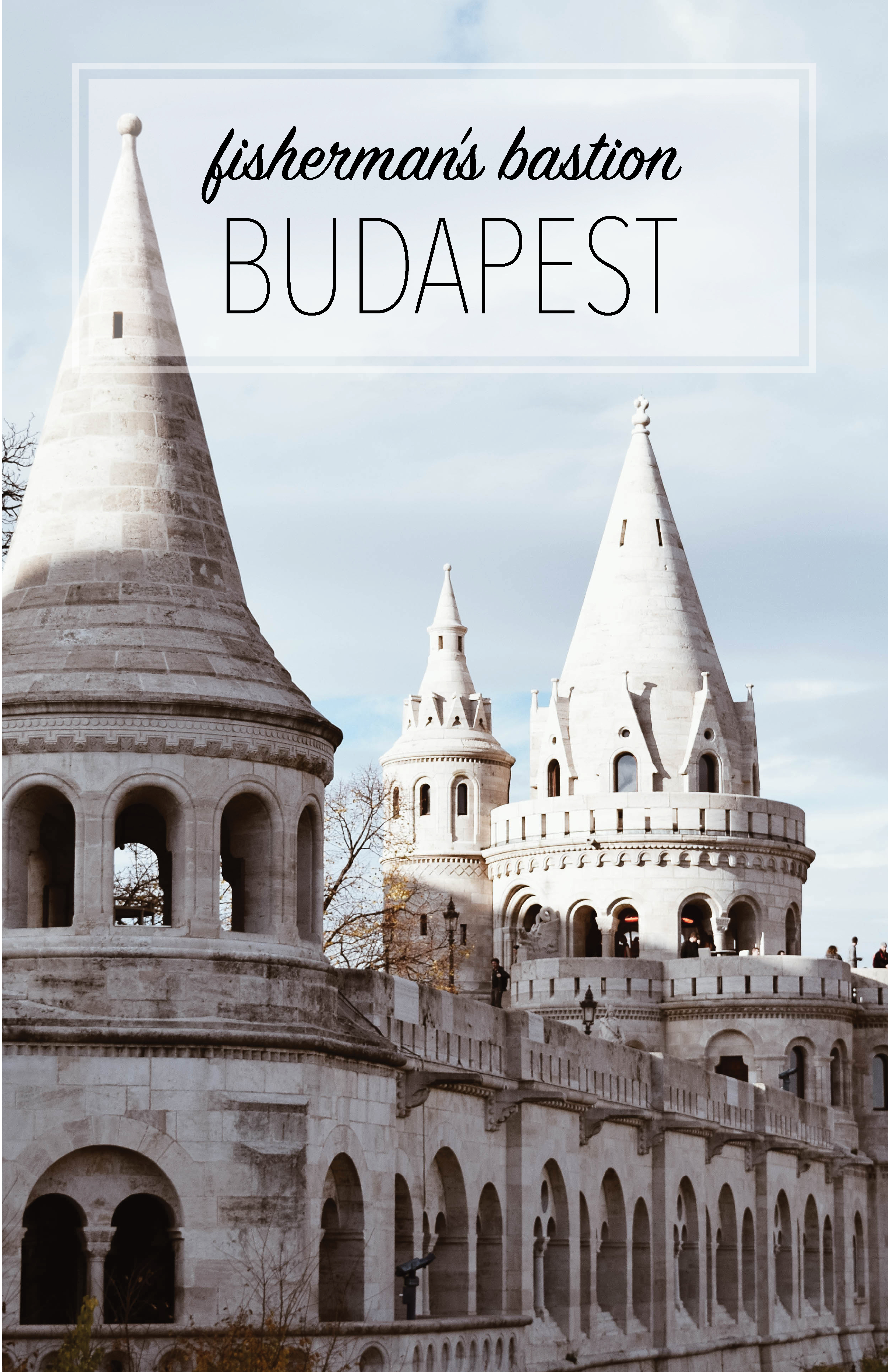
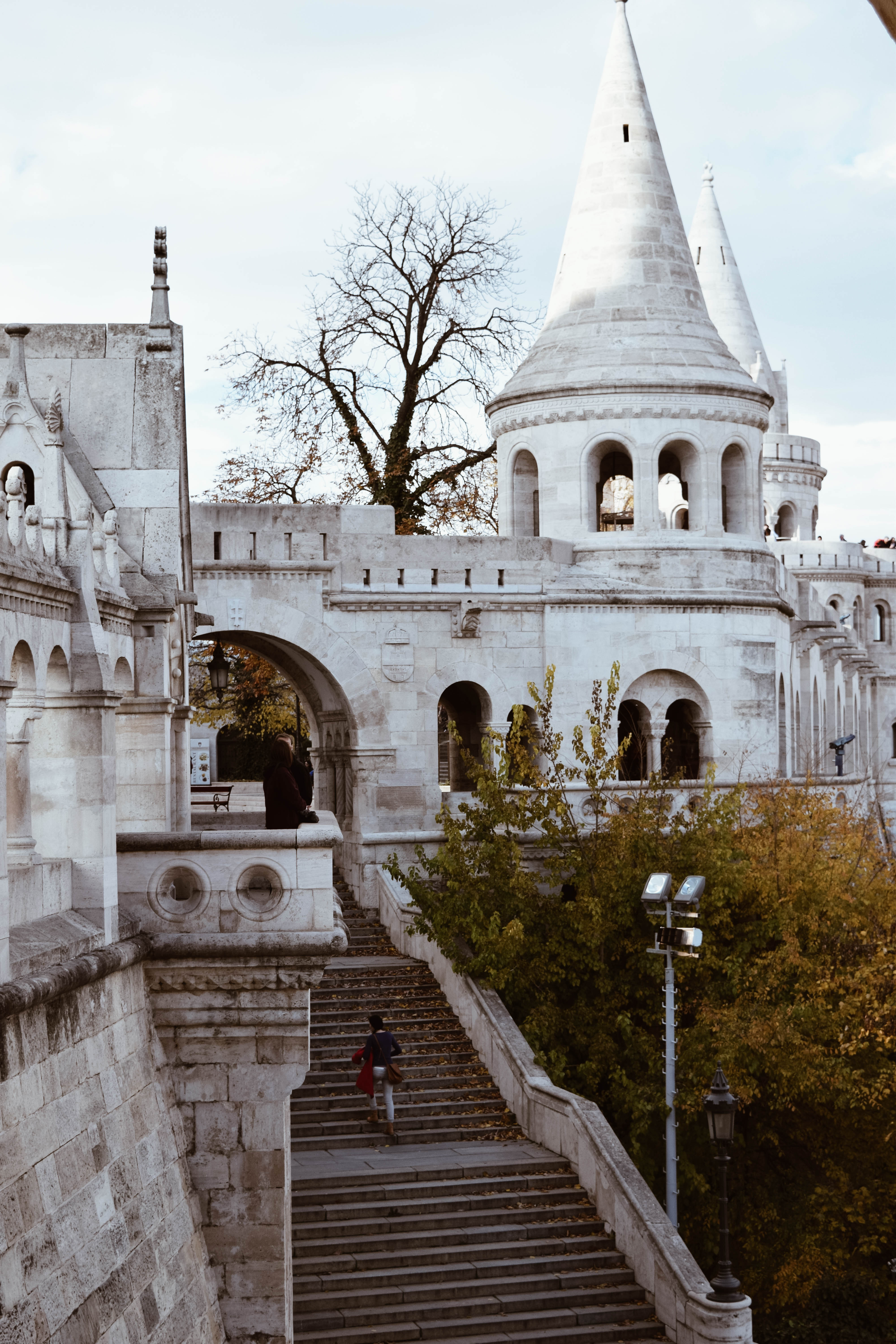
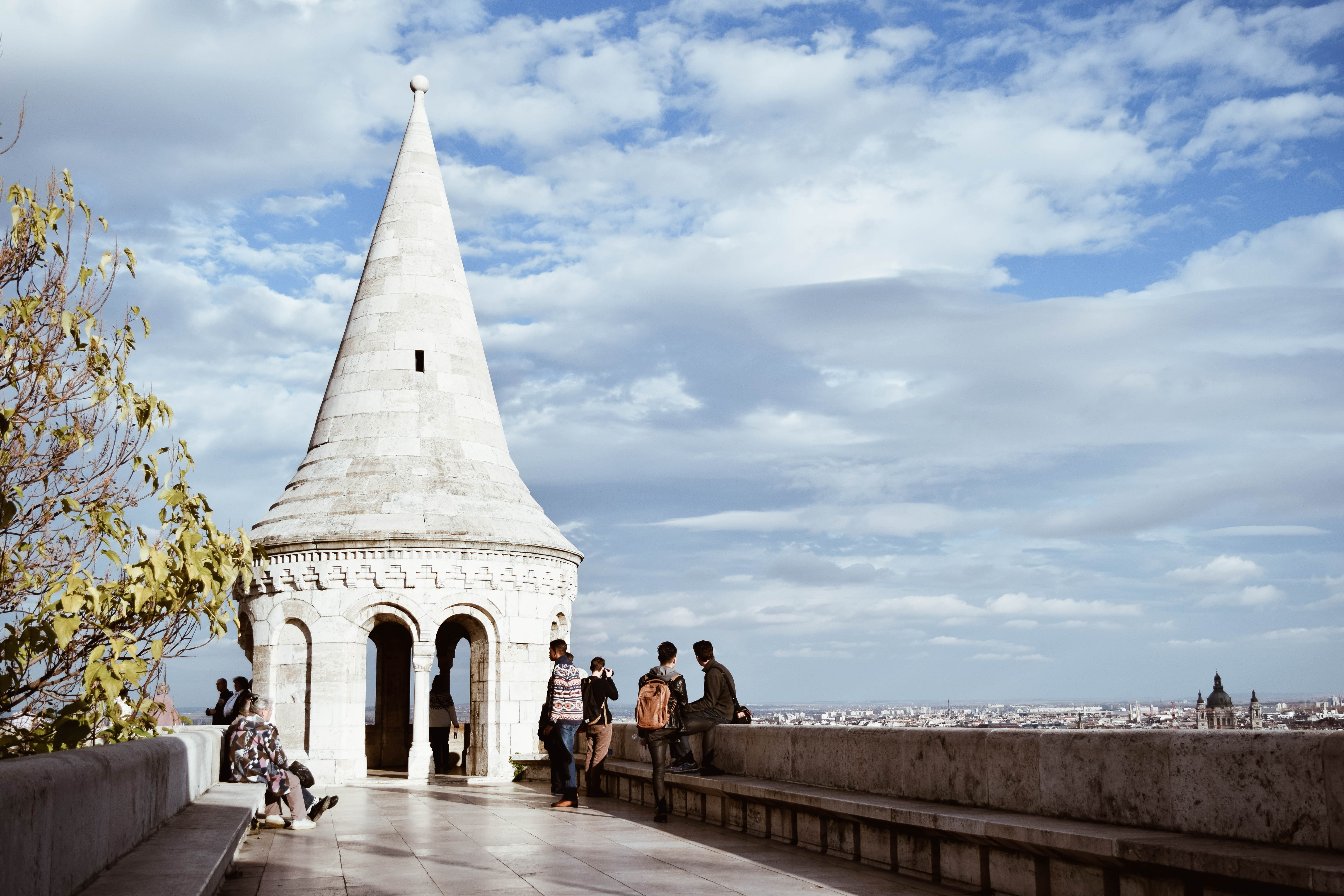
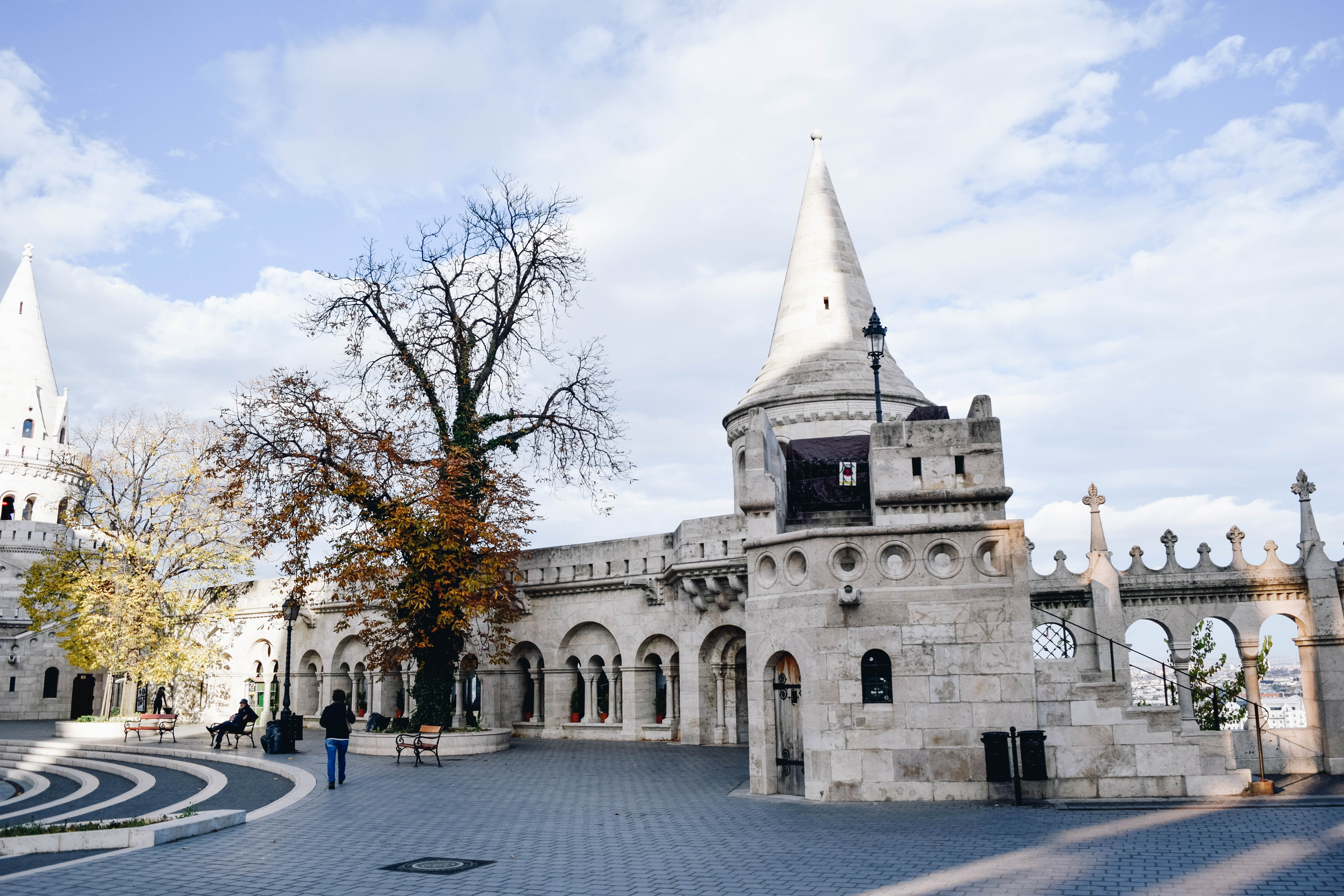
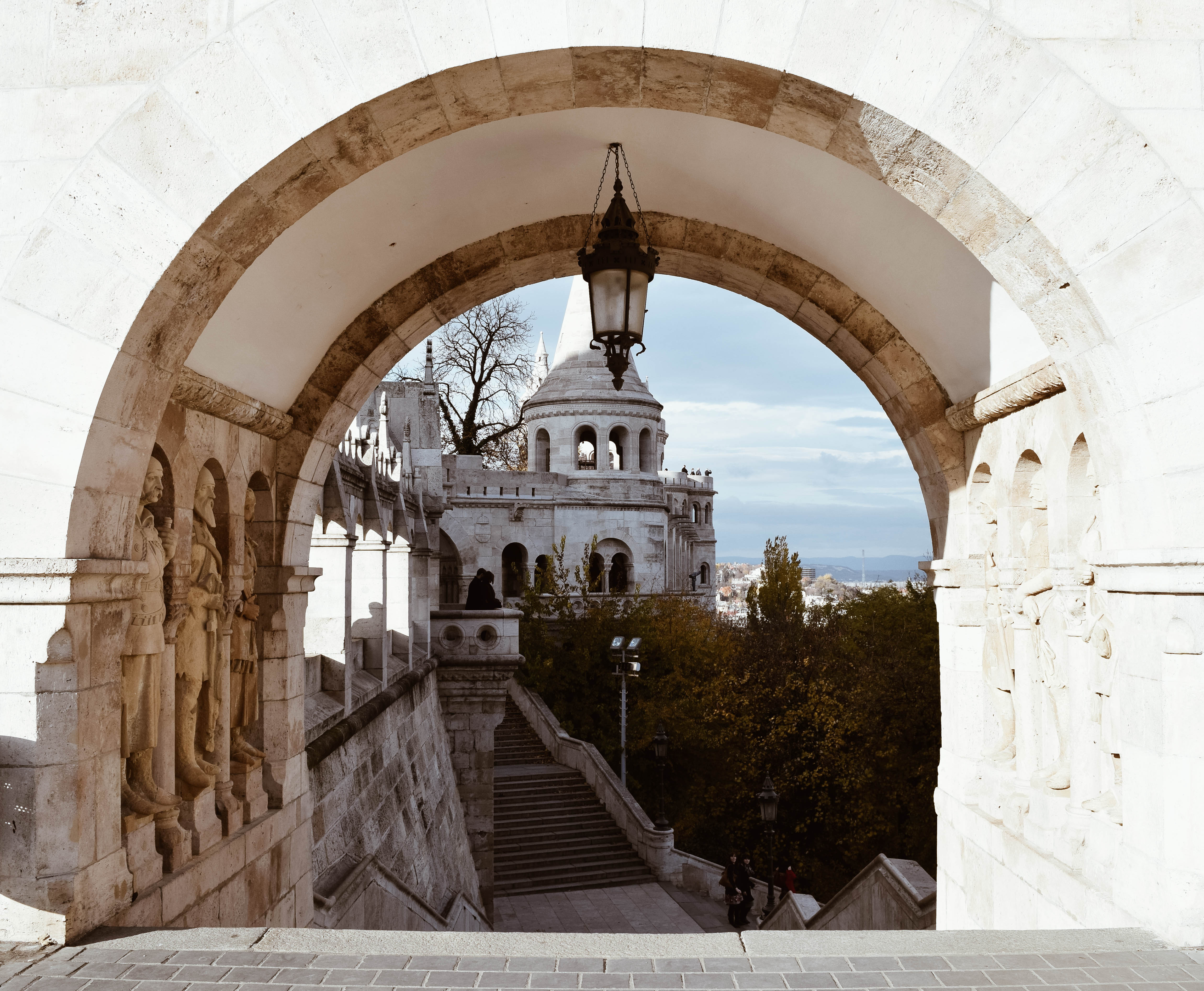
Fisherman’s Bastion, or Halaszbastya, was built between 1895 and 1902 as part of a millennial celebration of Hungary. Instead of a military fortification, it was built as a communal gathering place for people with lookout towers and breathtaking panoramic views of the city. There are 7 towers that represent the seven chieftains whose tribes settled in Hungary in 895, and a statue of St. Stephen who was the first Hungarian king.
The whole design intent for the Halaszbastya was to be a romanticized image of times gone by, a fairytale castle prop rather than a real one.
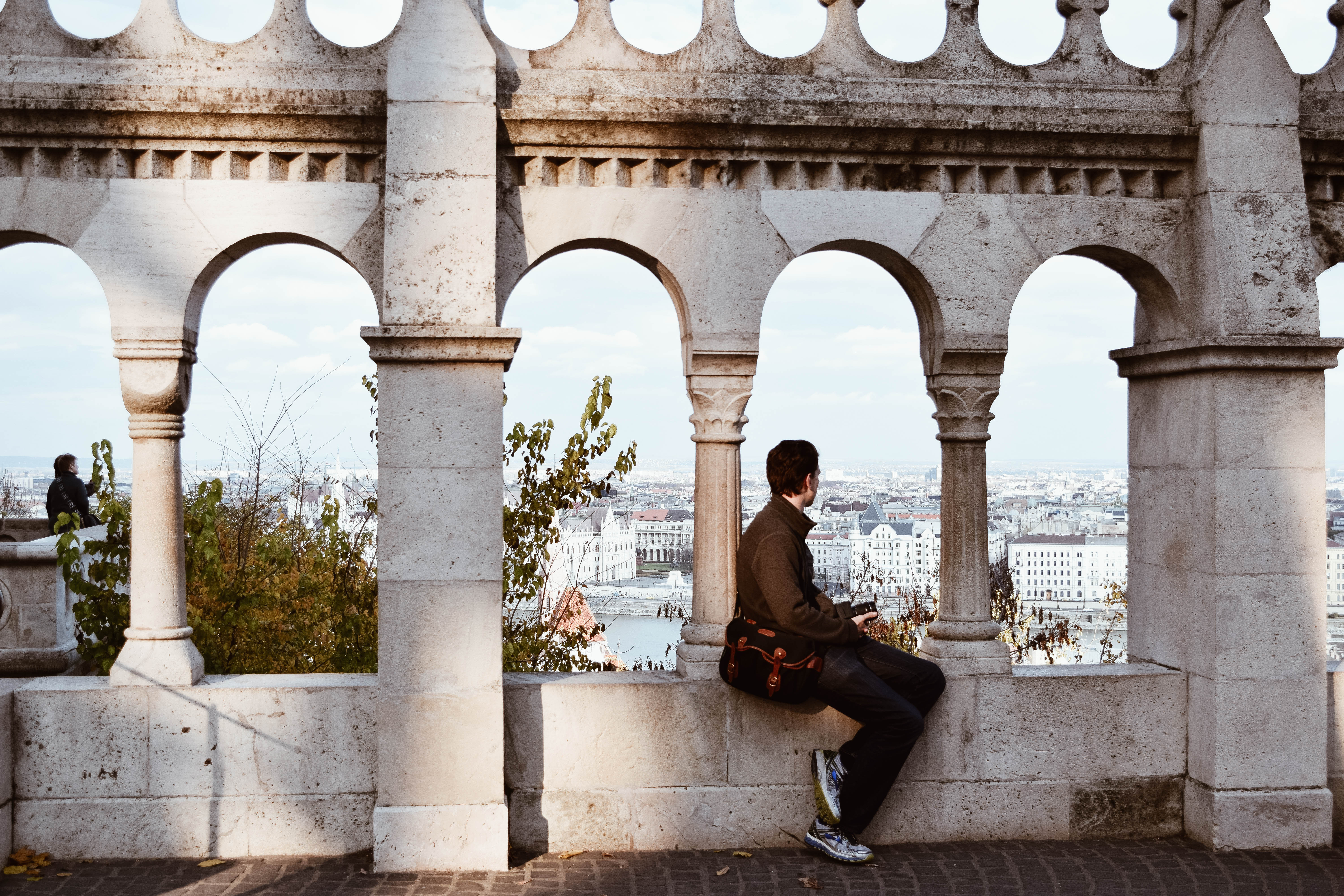
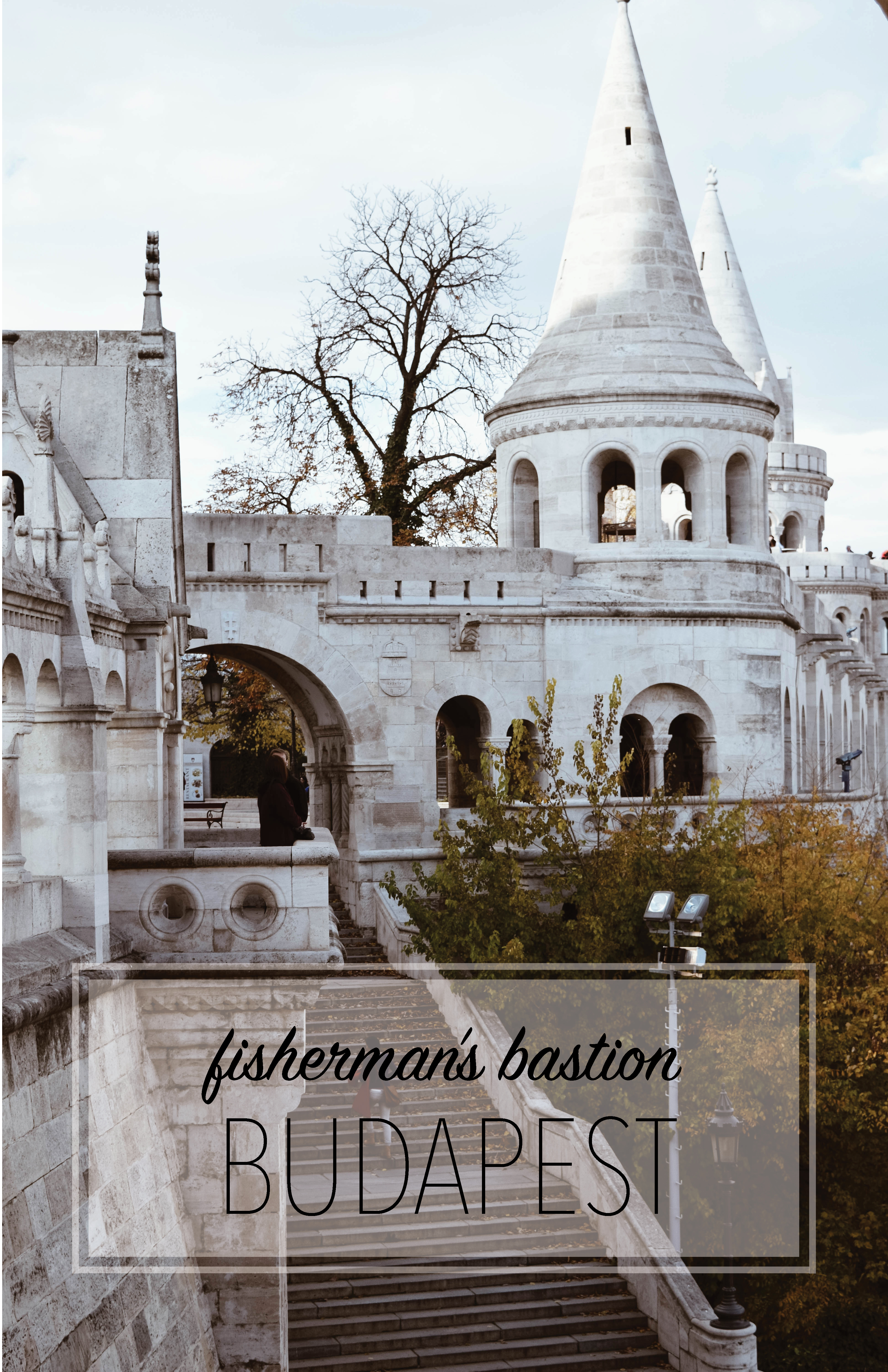
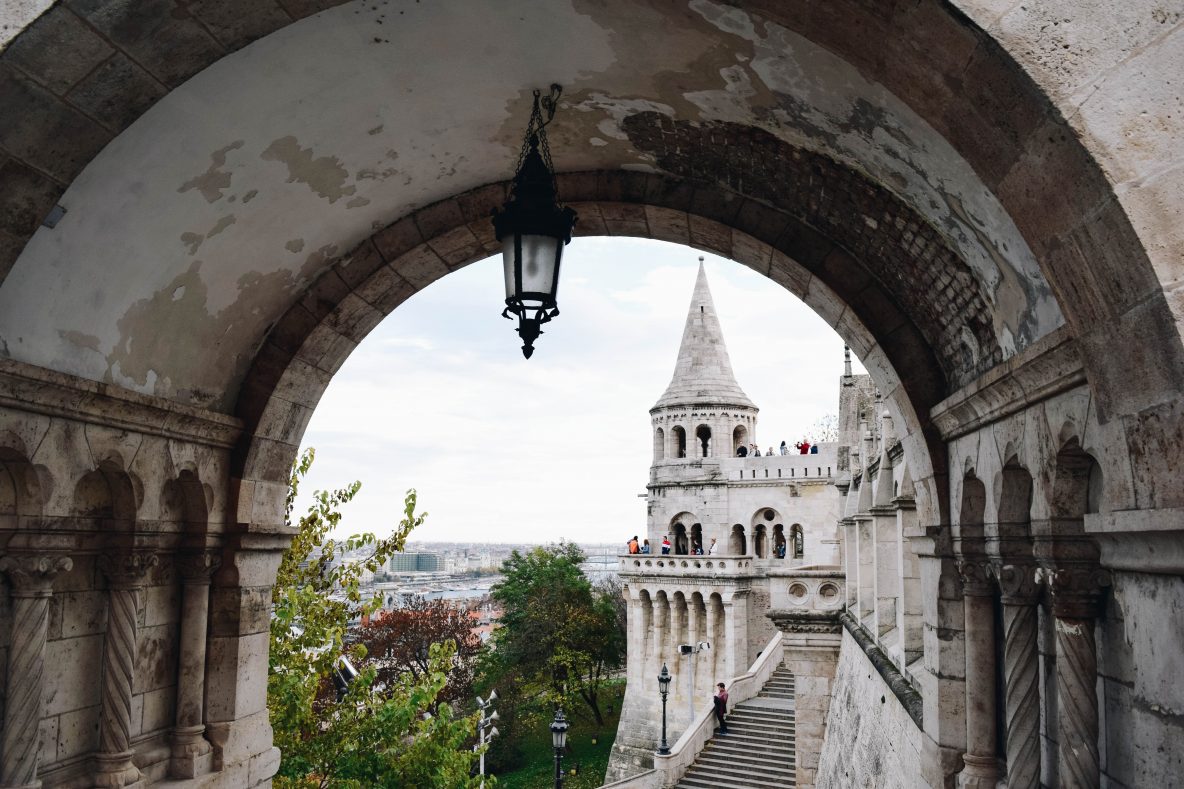
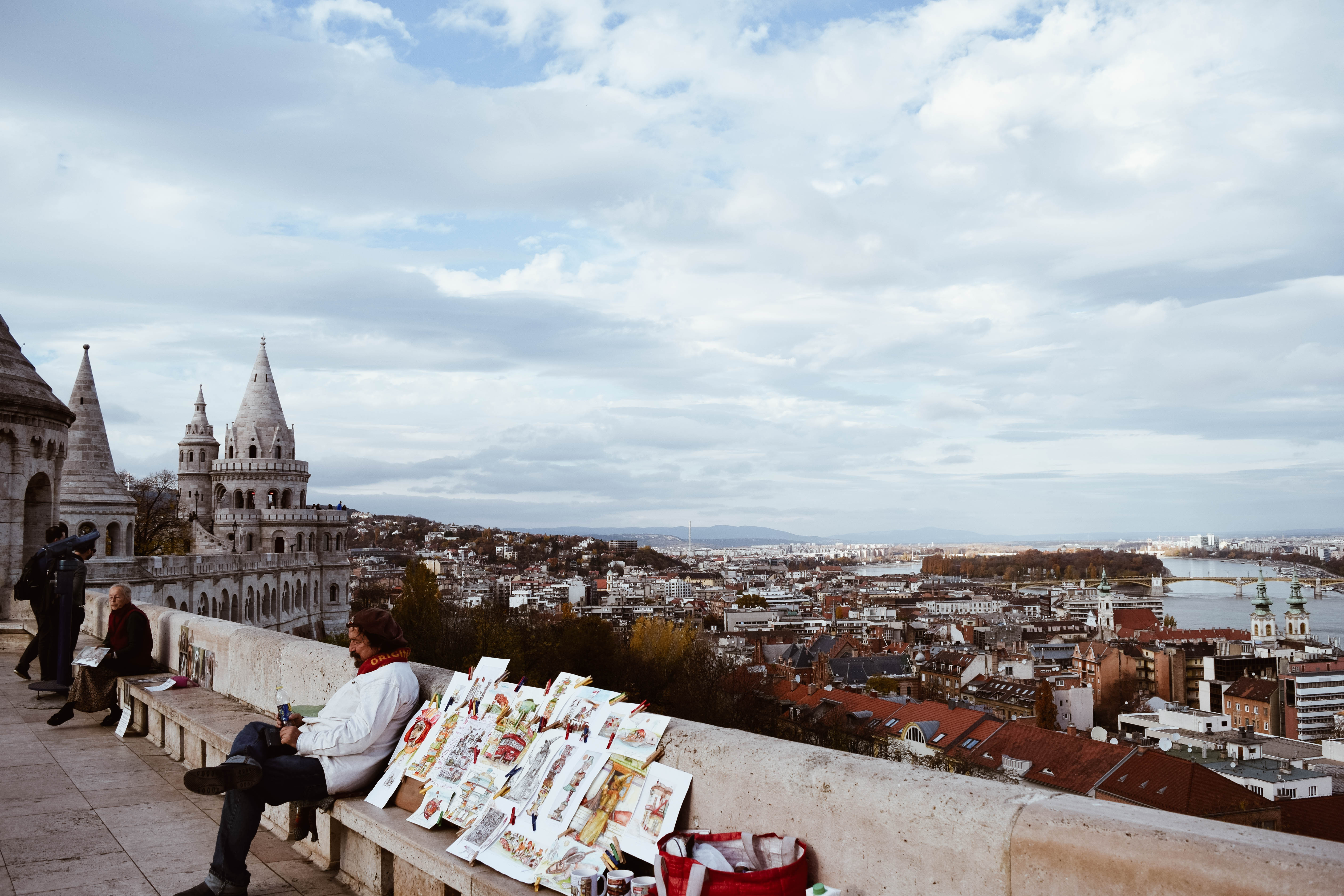
I read up on the construction after my visit – when I was there, I couldn’t believe that such a beautifully crafted place existed. Learning the history doesn’t take away the magic of Fisherman’s Bastion, though. The beautifully constructed towers and steps offer a maze to wander and wonder. Each turn you take, a different breathtaking view of Budapest spreads out below you. There are open spaces atop the walls with benches to gather with people, or small balconies and hidden spots for quiet solitude and reflection.
I managed to slip away from my group for a few minutes to find a secluded corner and just take it all in. I even put my camera down, surprisingly enough. But it was, like I said, overwhelming me. In the best possible way.
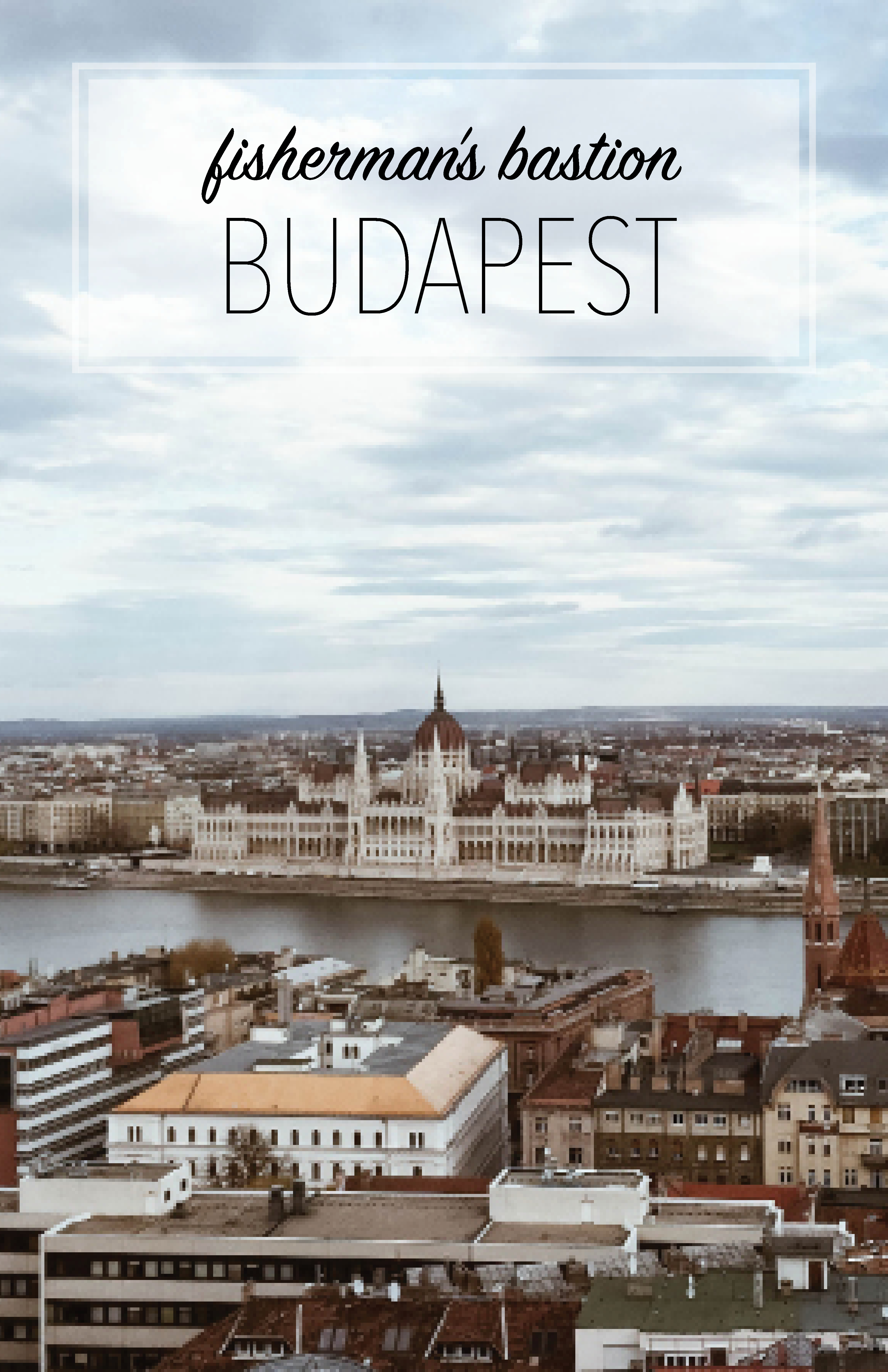
It was early November, and the breeze was crisp and cold. It was cloudy out, but the gray clouds would roll away for a few brief minutes to show a brilliant blue autumn sky and warm sun peeking through. Since arriving, Budapest had drawn me in. Sitting in my corner alone at the top of Fisherman’s Bastion put it all in broader perspective. The whole city was below – I could spot the impressive Parliament building right across the river, and the dome of St. Christopher’s Basilica rising above its surroundings. The iconic Chain Bridge stretched across the Danube, looking deceptively small, and boats drifted along down the river.
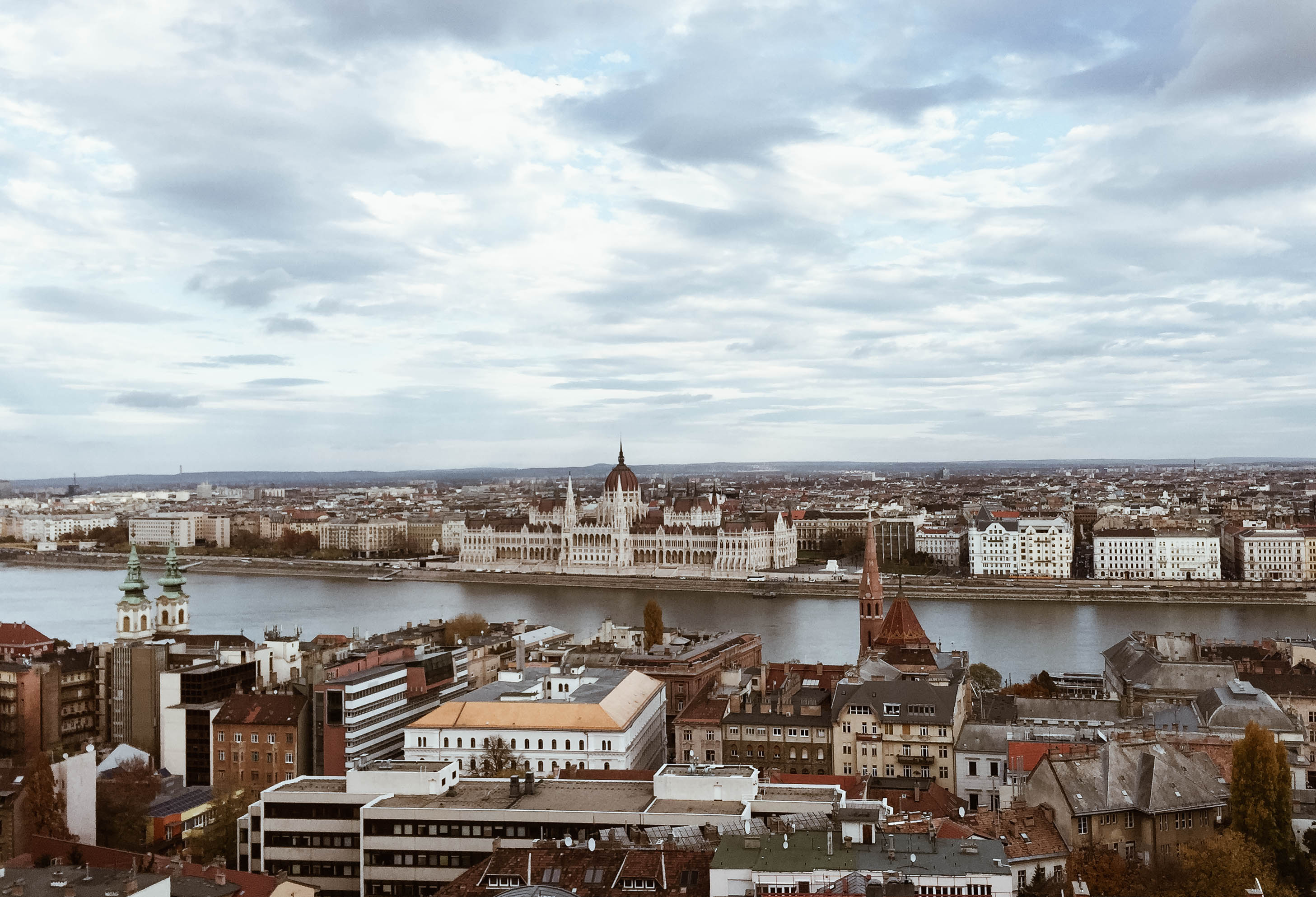
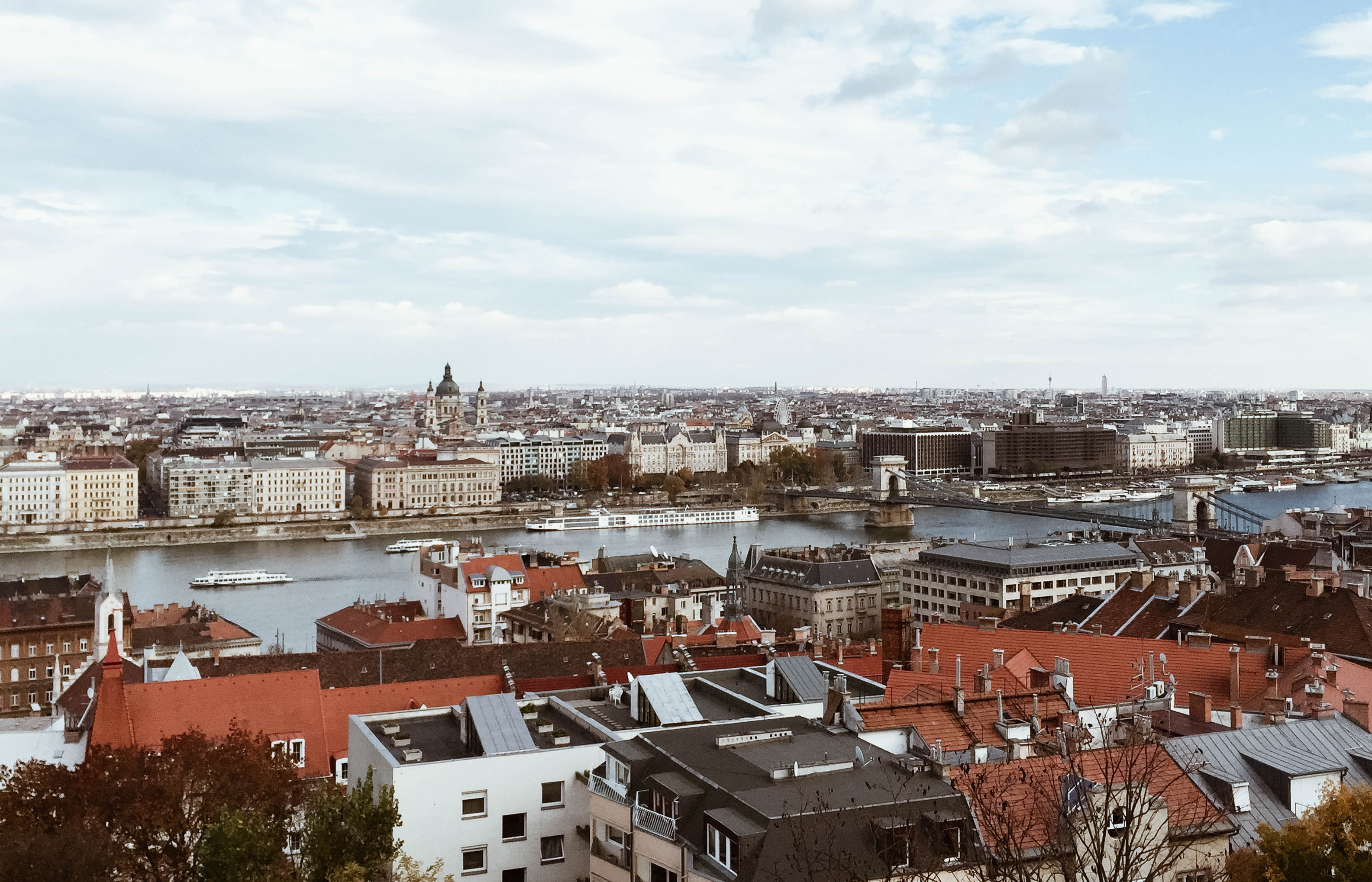
I found my friends again, and we climbed up to one of the tallest turrets. By this time the wind had picked up and it was quite cold. Once we reached the top, we discovered that inside the tower was a concession stand of sorts selling mulled wine. We got some, of course, if just to ward off the cold. Huddled in our coats and scarves, sipping the warm, spicy mulled wine, and just watching the city below us. It might seem innocuous, but that is one of my favorite travel moments.
MATTHIAS CHURCH
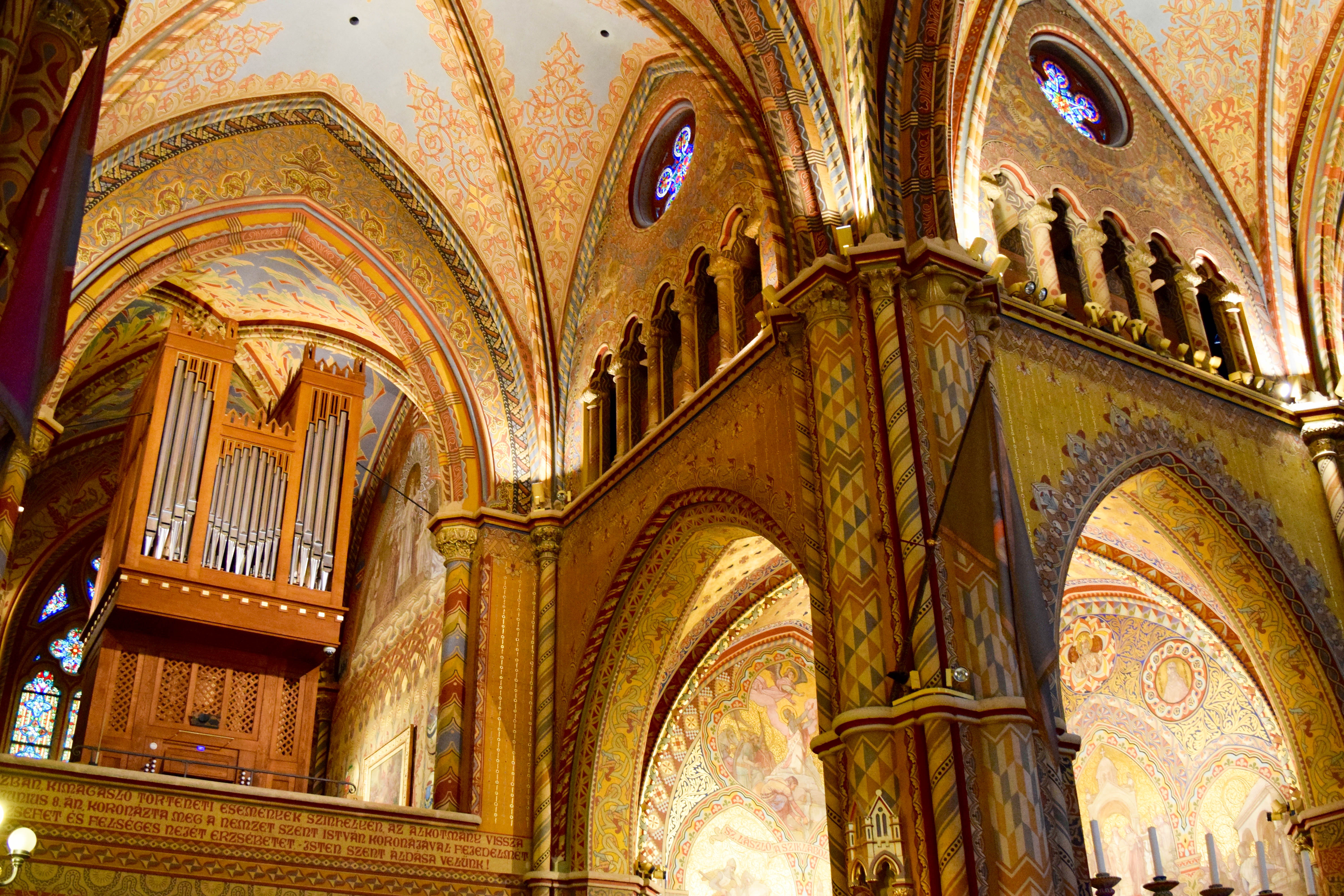
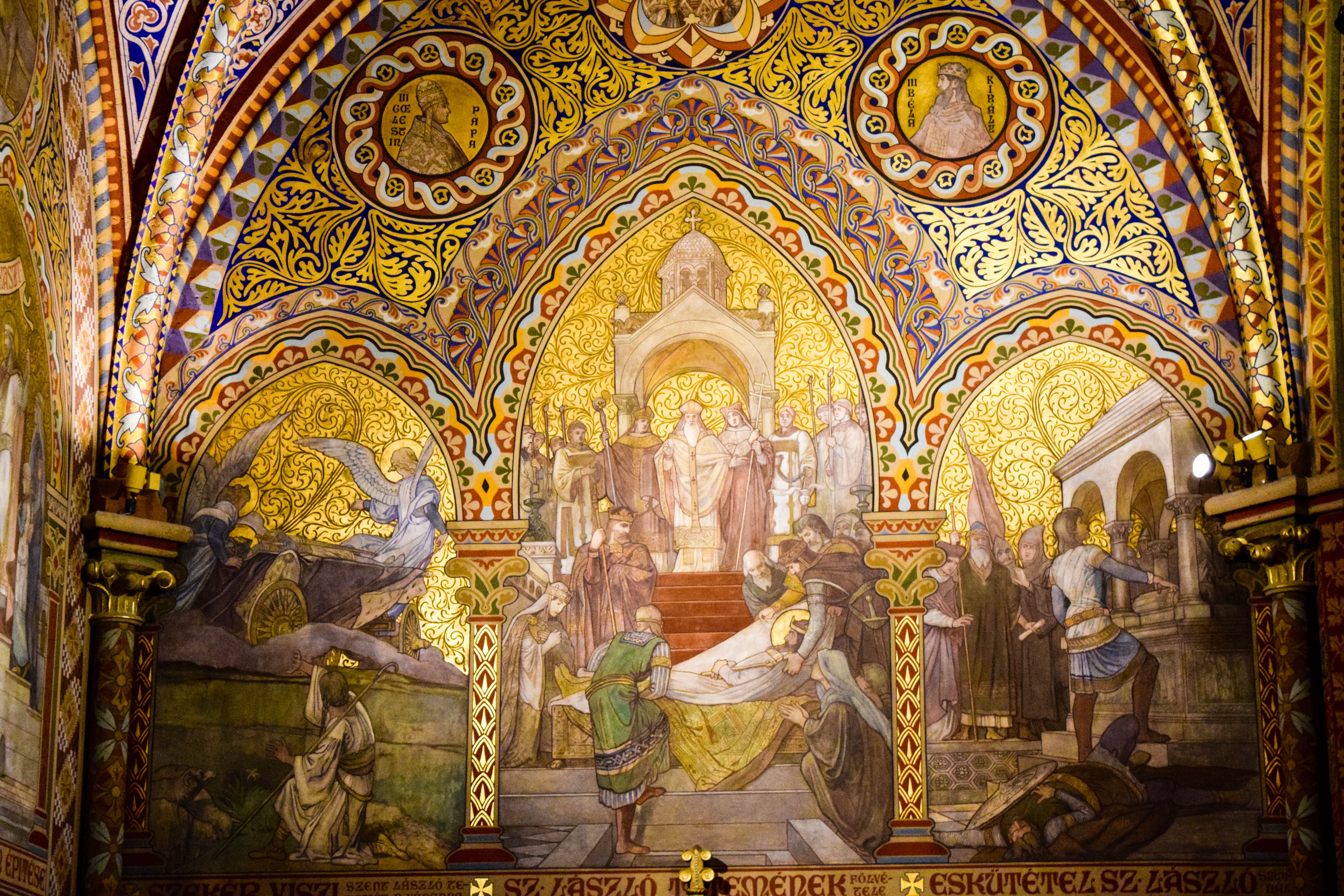
After exploring Fisherman’s Bastion, Matthias Church is definitely worth a look into. The same architect who designed Fisherman’s Bastion also designed the church renovation. Construction on the church happened around the same time, as part of the millennial celebration. At this time, the only way to access the area was to walk up the hill. The intent was for the Bastion to provide a grand entrance to Matthias Church. The church’s Neo-Gothic design fits right in with the fantastical bastion.
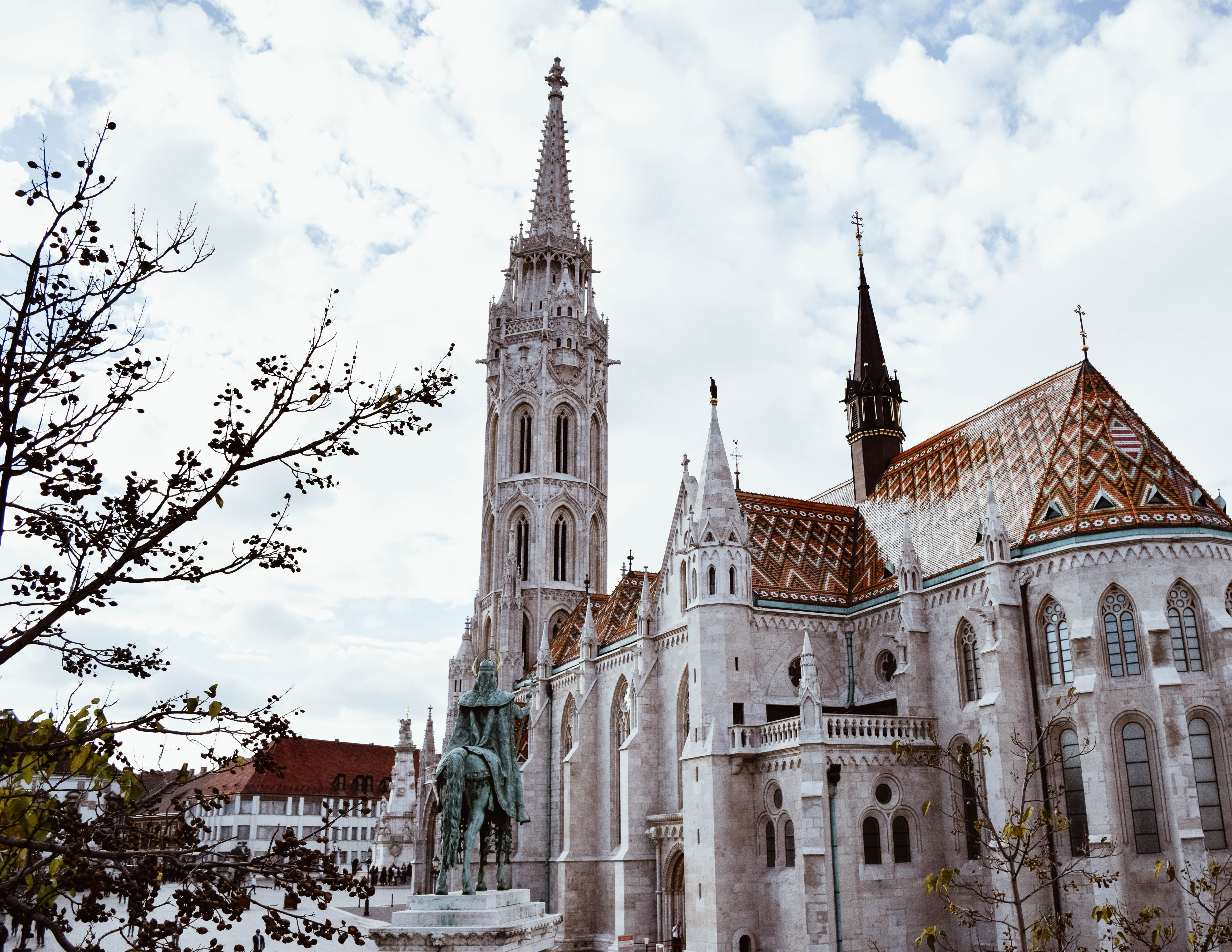
I’m an architect and also a huge nerd, so of course when I’m in Europe I go into every old church I can find. Some of them start to look the same (sorry!), but Matthias Church is so unique. I loved the interior of this building. Bright, colorful patterns cover every inch of the interior – walls, ceilings, and even the floors. It’s definitely not what one would expect, which makes it even more interesting.
GETTING THERE
It’s fairly straightforward to get to Fisherman’s Bastion and Matthias Church. They are on the Buda side of the city, so if you’re already on that side, it can easily be reached on foot. If you’re on the Pest side of the city, take a picturesque stroll across the Chain Bridge. Once you reach the Buda side, there is a funicular that will take you up Castle Hill. Fisherman’s Bastion is a short walk from the funicular at the top of the hill. Walking paths wind up the hill as well, if you’re in the mood for more exercise. It was meant to be experienced this way, so there’s something to be said for that also.
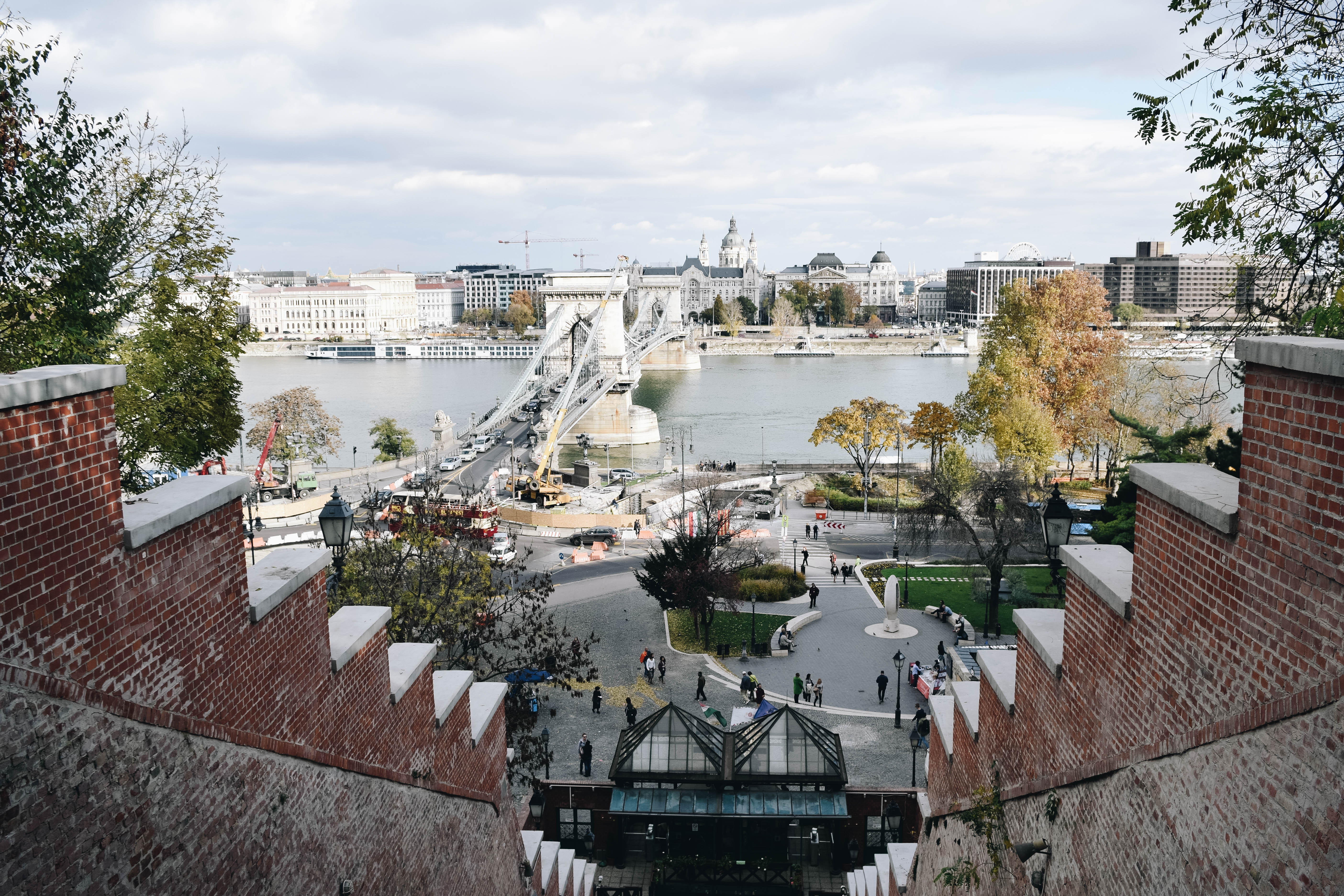
Riding the funicular up Castle Hill
Fisherman’s Bastion is just a stunning visual. It was the highlight of my already amazing few days in Budapest, and I can’t recommend visiting it enough if you’re in the city.
PIN IT